What is the Structure of a Platform?
2026/11/05
Reading: 1
News Details
When warehouse space gets tight, building upward is often the smartest solution. Many factories use elevated steel systems to double their storage space without moving to a new location. But how do these massive systems hold so much weight safely?
Understanding how these frameworks are built helps you choose the right solution for your facility. At Unionwade, we design custom systems that make vertical space work for your business.
What is a Steel Platform?
Before looking at the core framework, let us answer a basic question: What is a steel platform?
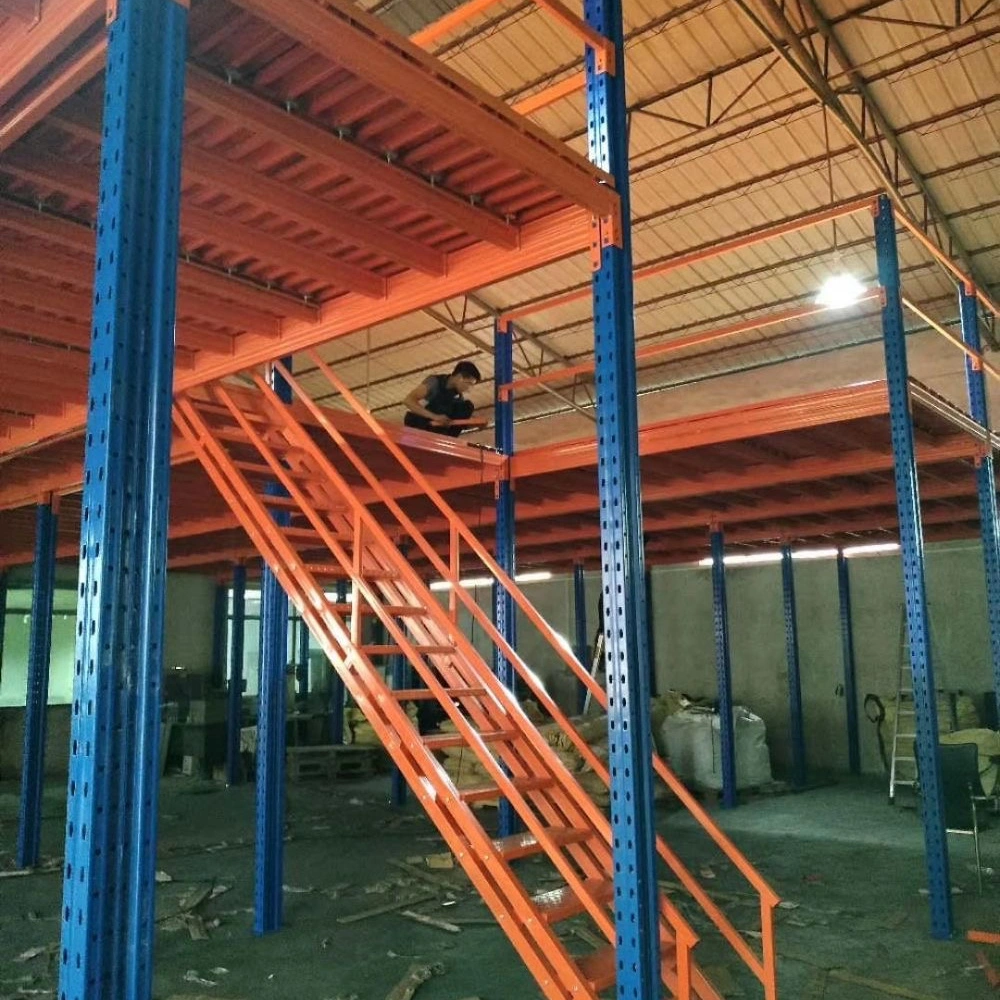
A steel platform is a heavy-duty elevated flooring system supported by strong steel columns and beams. It builds a second or third floor inside your existing facility. Companies use these platforms to create extra storage areas, setup manufacturing zones, or add office space overhead. Because they use modular parts, you can install them quickly and expand them as your company grows.
Core Elements: How a Platform is Built
To understand the structure of a platform, you need to look at its primary physical parts. Each piece plays a specific role in keeping the system stable and safe under heavy loads.
-
Upright Columns: These vertical steel posts carry the weight of the structure down to the concrete floor.
-
Primary and Secondary Beams: Horizontal steel beams attach to the columns to form a sturdy frame. They support the floor panels above.
-
Decking Surface: The top floor layer where workers walk and store goods. Common options include solid steel plates, open steel grating, or wooden panels.
-
Safety Features: Every platform needs handrails, kickplates, staircases, and loading gates to keep workers safe during daily operations.
Custom Steel Platform Design for Heavy Loads
A successful steel platform design requires careful engineering. Designers must look at column spacing, total ceiling height, and floor weight limits before installation.
First, engineers evaluate the weight of your inventory and equipment. Next, they plan the layout to make sure forklifts and workers can move freely below the platform. By tailoring the frame design to your daily workflow, you get maximum storage while keeping your operations fast and efficient.
Material Choices: What Are the Four Types of Steel?
Building a strong platform requires using the right metal. So, what are the four types of steel? Steel is generally divided into four main groups based on its composition:
-
Carbon Steel: The most common steel used in construction. It is tough, budget-friendly, and perfect for main structural beams and columns.
-
Alloy Steel: Made by adding elements like nickel or manganese to iron. This creates a stronger material that resists heavy stress and wear.
-
Stainless Steel: Contains chromium, which prevents rust and corrosion. It is ideal for clean environments like food or chemical facilities.
-
Tool Steel: A heat-resistant steel used mostly for making tools, dies, and machine parts.
For industrial platform frames, carbon steel and alloy steel are the top choices because they offer strong support at a practical cost.
Equipment for Moving Goods On and Off the Platform
Building an elevated space is only half the battle. You also need smooth ways to transport items across your facility floor and up to the platform level.
-
Steel Platform Trolley: A light cart with wheels that helps workers push small boxes around the floor smoothly.
-
Steel Platform Truck: A heavy-duty flatbed truck used to transport bulky equipment or heavy crates across large warehouses.
-
Steel Platform Bed: A solid metal frame used as a base for heavy industrial machinery or durable storage racks.
Using these tools together with your elevated platform creates a seamless material handling system from top to bottom.
Conclusion & Call to Action
Understanding the structure of a platform helps you make smart decisions for your facility. By combining robust steel platform design with reliable transport equipment, you can unlock full storage potential while maintaining high safety standards.
Ready to double your usable space and boost warehouse efficiency? Contact Unionwade today to get expert design advice and a tailored steel platform quote for your business!
Share to:


