What is a Steel Platform? Essential Guide & Structure Types
2026/11/05
Reading: 1
News Details
When you look at modern warehouses and factories, you often see tall structures making full use of vertical space. Have you ever wondered how these spaces expand without changing their actual building size? The answer often lies in a sturdy steel platform.
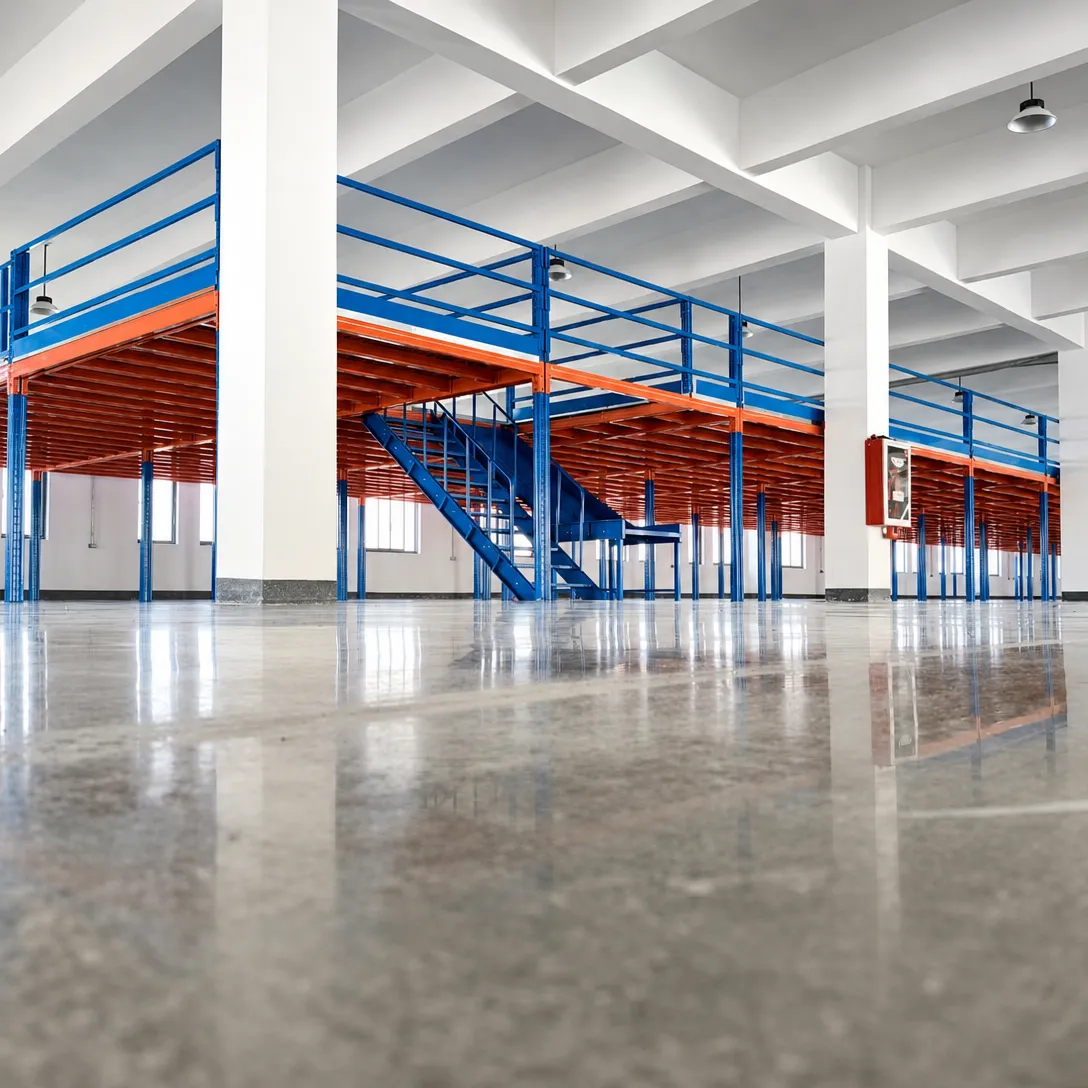
A steel platform is an elevated floor system supported by steel columns and beams. It creates extra working or storage space inside a building. Companies use these platforms to double or triple their usable floor area. At Unionwade, we build these systems to help businesses store more goods and improve daily operations.
What is the Structure of a Platform?
To understand how these systems work, we need to look closely at their physical build. So, what is the structure of a platform? Typically, it consists of several core components that work together to carry heavy loads safely.
-
Columns: These vertical steel posts stand firmly on the ground floor. They support the entire weight of the platform above.
-
Main Beams and Purlins: Horizontal steel members that attach to the columns. They form the primary load-bearing framework.
-
Decking Panels: The surface material placed on top of the beams. Common choices include steel checker plates, steel grating, or plywood.
-
Safety Accoutrements: Guardrails, staircases, and gates that keep workers safe while they walk or move items on the upper level.
This modular design means you can assemble the structure quickly. It also allows you to take it apart and move it if your facility changes location.
What Are the Four Types of Steel?
When engineers plan a heavy-duty structure, they must choose the right metal. You might ask: What are the four types of steel? Steel is generally grouped into four main categories based on its chemical composition and properties:
-
Carbon Steel: This is the most common type used in manufacturing. It contains mostly iron and carbon. It is strong, affordable, and ideal for heavy structural frames.
-
Alloy Steel: This type includes other elements like nickel, chromium, or titanium. These additives make the steel stronger, tougher, and more resistant to wear.
-
Stainless Steel: Famous for containing chromium, this steel resists rust and corrosion. People use it where cleanliness and moisture resistance matter most.
-
Tool Steel: This is a hard, heat-resistant steel used mostly to make tools, cutting edges, and machine dies.
For heavy industrial applications like a mezzanine or storage floor, carbon and alloy steels are the top choices because they offer high load capacity.
Smart Steel Platform Design
A good steel platform design requires careful planning. Engineers must look at the available floor space, ceiling height, and weight requirements. Every business has unique needs, so a custom layout is usually best.
During the design phase, safety is the top priority. The structure must handle heavy loads—often ranging from 300 kg to over 1000 kg per square meter. By planning the stair placement, load gates, and column spacing correctly, companies can maximize workflow efficiency without risking worker safety.
Moving Goods: Trolleys, Beds, and Trucks
Platforms help with overhead storage, but moving items across the facility requires reliable transport tools. That is where mobile equipment comes into play.
-
Steel Platform Trolley: A flat metal cart with wheels used to push boxes and small items around the warehouse floor.
-
Steel Platform Truck: A heavy-duty version of a hand truck with a large flat metal base, perfect for hauling bulky goods.
-
Steel Platform Bed: Often used in industrial furniture or heavy frames, providing a rigid, unbending base for heavy loads or sleeping units.
Pairing these mobile tools with a well-designed overhead platform creates a smooth material handling system. Workers can load goods onto a trolley, roll them to a lift gate, and send them up to the upper level safely.
Conclusion
Steel platforms play a vital role in modern industrial storage. By understanding proper steel platform design, the basic structure of a platform, and the core types of steel, businesses can make smart choices to expand their workspace. Whether you need to add office space or store extra inventory, a solid steel setup offers a safe, long-lasting solution.
Ready to optimize your warehouse space and boost storage capacity? Contact Unionwade today to discuss your custom steel platform design and get a free solution tailored to your facility!
Share to:


